
- by
- 05 23, 2024
-

-
-
Loading
Loading
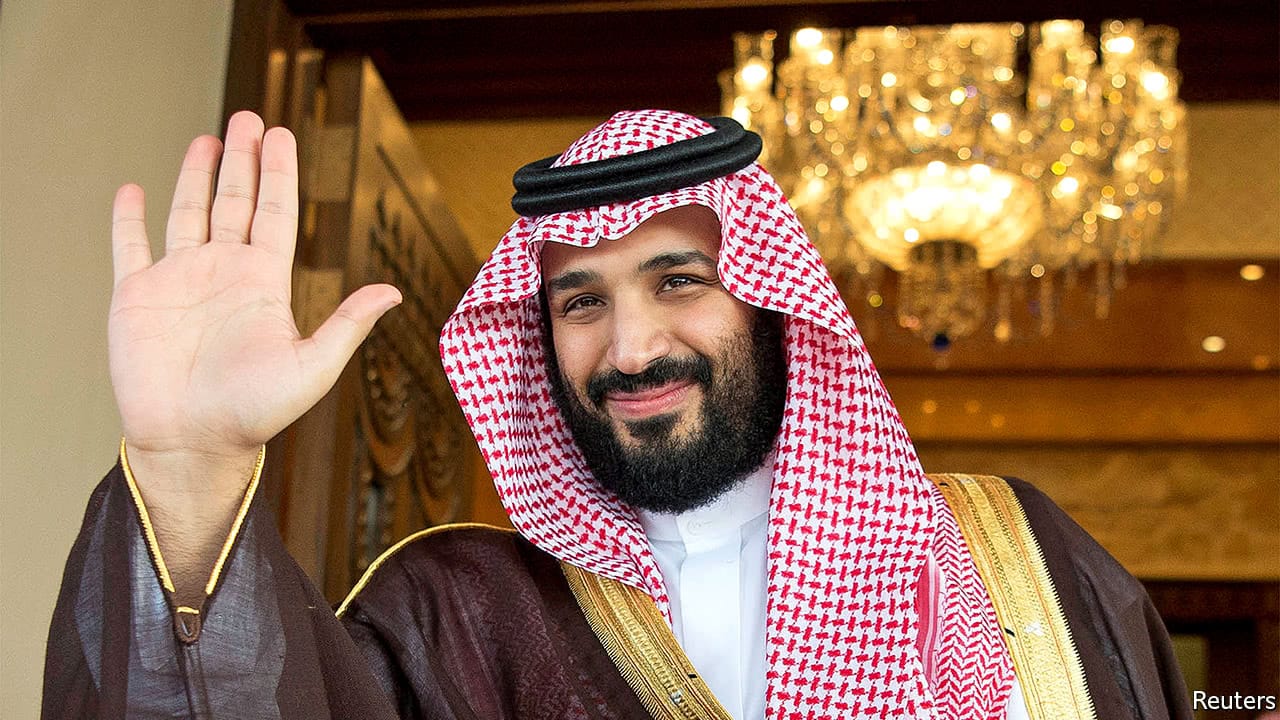
WHEN King Salman acceded to the Saudi throne in 2015, it was plain that his son, Muhammad, wielded the real power. He may formally have been second in the line of succession, but Muhammad bin Salman (known as MBS) ran most of the things that mattered: the plan to transform the Saudi state and wean the economy away from oil; the war in Yemen and the wider contest against Shia Iran; and much else besides. When he gave his first on-the-record interview, to in January 2016, MBS spoke about Saudi Arabia in the first person—talking of “my borders”.On the face of it, the elevation of MBS to crown prince, replacing his older cousin, Muhammad bin Nayef, means only that his job title has caught up with reality (see ). Yet it rewrites the kingdom’s strange rules of succession. Whereas power once passed along the line of ageing sons of King Abdel Aziz Al Saud, the state’s founder, it now goes down the blood line of King Salman. No one would be surprised if Salman, who is 81, were to abdicate in favour of his 31-year-old heir.


