
- by
- 05 23, 2024
-

-
-
Loading
Loading
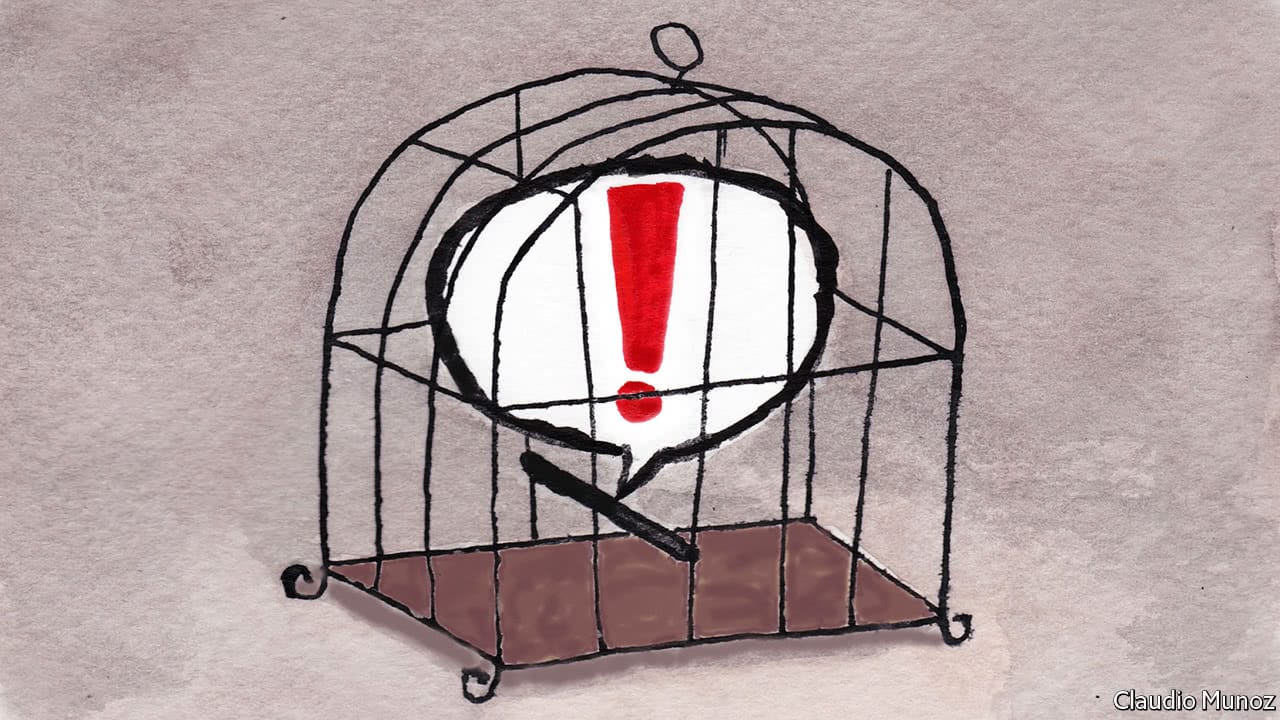
A GROUP of Burmese migrants working on a farm in Thailand told the authorities that they were being forced to work endless hours and sleep in chicken sheds. Their complaint was dismissed. Now they face defamation charges brought by their employer. The proper purpose of defamation laws is to deter and punish malicious lies. Courts can order compensation for any material injury. However, in dozens of countries defamation is not just a civil offence, but a crime (see ). In such places, criticising a powerful politician or businessman, publicising wrongdoing or merely expressing an opinion can lead to bankruptcy or jail, regardless of whether the criticism actually hurts anyone.For repressive governments, criminal-defamation laws can provide a more palatable way to silence critics than locking them up. In several countries people not directly involved can bring defamation cases. In Myanmar other members of the political party led by Aung San Suu Kyi, the country’s most powerful politician, have filed suits on her behalf. Such laws can have public backing. The Burmese are much keener on Ms Suu Kyi than on the journalists who set out to scrutinise her as they would any other politician. Similarly, Thais revere their king, and Thailand has long made criticising him a crime. The military junta that is now ruling the country has deployed strict laws against its critics. One particularly effective human-rights lawyer faces decades in prison for the “crime” of sharing a few Facebook posts.


