
- by
- 05 23, 2024
-

-
-
Loading
Loading
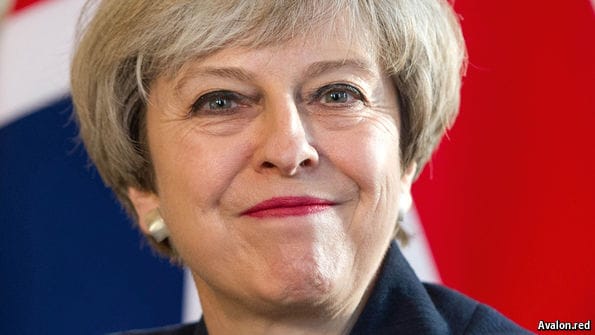
FOR an event that was supposed to settle a big political question once and for all, last year’s referendum on Britain’s membership of the European Union has proved spectacularly disruptive. First it did for the government of David Cameron, who had called it expecting a win for Remain. Then it provoked renewed calls for separation in Scotland and Northern Ireland, which opposed Brexit. Now Theresa May, who entered Downing Street only last summer, has called a snap general election for June 8th, having previously insisted that such a course would cause further “instability”. Britons are facing their third national poll in two years.Mrs May says the election is necessary to protect the Brexit process from mischievous opposition parties that plan to derail it. That is nonsense: although most MPs, including her own, campaigned to Remain, they have dutifully upheld the referendum result in Parliament. Surely more important in the prime minister’s calculation are the opinion polls that show her Conservative Party more than 20 percentage points ahead of the Labour opposition, which is hamstrung by its ineffectual leader, Jeremy Corbyn (see ). Elections are inherently hard to predict—this one could be treated by voters as a poll about everything from the railways to the National Health Service. But, with Mr Corbyn clinging on and the economy yet to feel the smack of Brexit, Mrs May has a chance to increase her working majority of 17 to perhaps more than 100.


