
- by
- 05 23, 2024
-

-
-
Loading
Loading
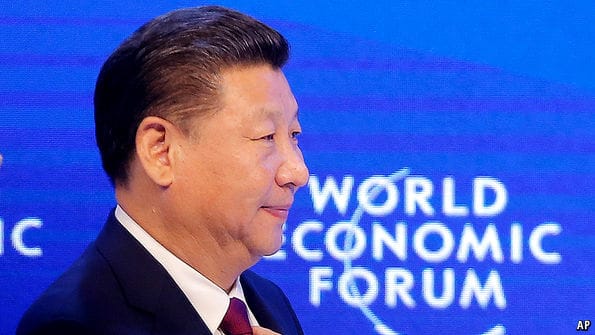
THE words of few global leaders these days sound as pleasing to liberal ears as those of Xi Jinping. How comforting it was when, shortly before Donald Trump’s swearing-in as America’s president, Mr Xi advised the assembled elite at the World Economic Forum in Davos that blaming globalisation for the world’s problems was “inconsistent with reality” and that protectionism was “like locking oneself in a dark room”. These were not just platitudes crafted for foreigners. Back in his own country, Mr Xi has been striking a similar tone. He chaired a meeting this month that called on reluctant officials not to shilly-shally with economic and social reforms, but to “choose the heaviest burden and chew on the hardest of bones”. The main state-run news agency said the central government’s demands for reform were becoming “ever clearer”.If only there were evidence in China that Mr Xi really means what he says, and that, if he does, bureaucrats are paying heed. Recent news has suggested quite the opposite. Officials have been trying to crush dissent with even greater vigour. Their targets now are not only the usual suspects—those few who dare to challenge the Communist Party openly—but also mainstream liberals who want to work within the system to make China a better place. In the past few months hardliners have taken control of a leading magazine once beloved of such reformists. Popular online forums for moderate, pro-reform debate have been closed down—including, in January, those run by one of the country’s most prominent think-tanks, Unirule (see ). Mr Xi’s predecessors had put up with them. He looks keen to keep even the moderates quiet.


