
- by
- 05 23, 2024
-

-
-
Loading
Loading
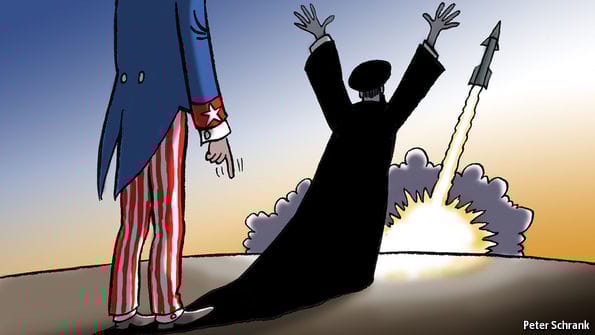
AVIGDOR LIEBERMAN, Israel’s pugnacious defence minister, is not one to mince his words. Speaking on February 19th at this year’s Munich Security Conference, he described the challenges facing the Middle East as “Iran, Iran and Iran”. Delegates from the Arab states present might not have relished being seen to agree with the Zionist enemy, but that did not stop them. Saudi Arabia’s foreign minister reckoned that the Iranians have only “stepped up the tempo of their mischief” since the negotiation in 2015 of a nuclear deal between Iran and the world’s six leading powers. And the regional actors are hardly alone in their hostility. The Trump administration placed Iran “on notice” at the start of this month and imposed a limited new set of sanctions, following a medium-range ballistic missile test (see ); Iran responded by testing another one. Is a fresh confrontation, even a conflict, brewing again so soon after the deal of 2015 was supposed to have ushered in an era of peaceful coexistence?Perhaps not; but that depends above all on Iran. The hardliners who are in charge in Tehran need to reconsider their priorities. Judging by their actions and rhetoric, they appear to believe that the nuclear agreement (formally known as the Joint Comprehensive Plan of Action) marked the end of a process of rehabilitation. In fact, it goes only part of the way.


