
- by
- 05 23, 2024
-

-
-
Loading
Loading
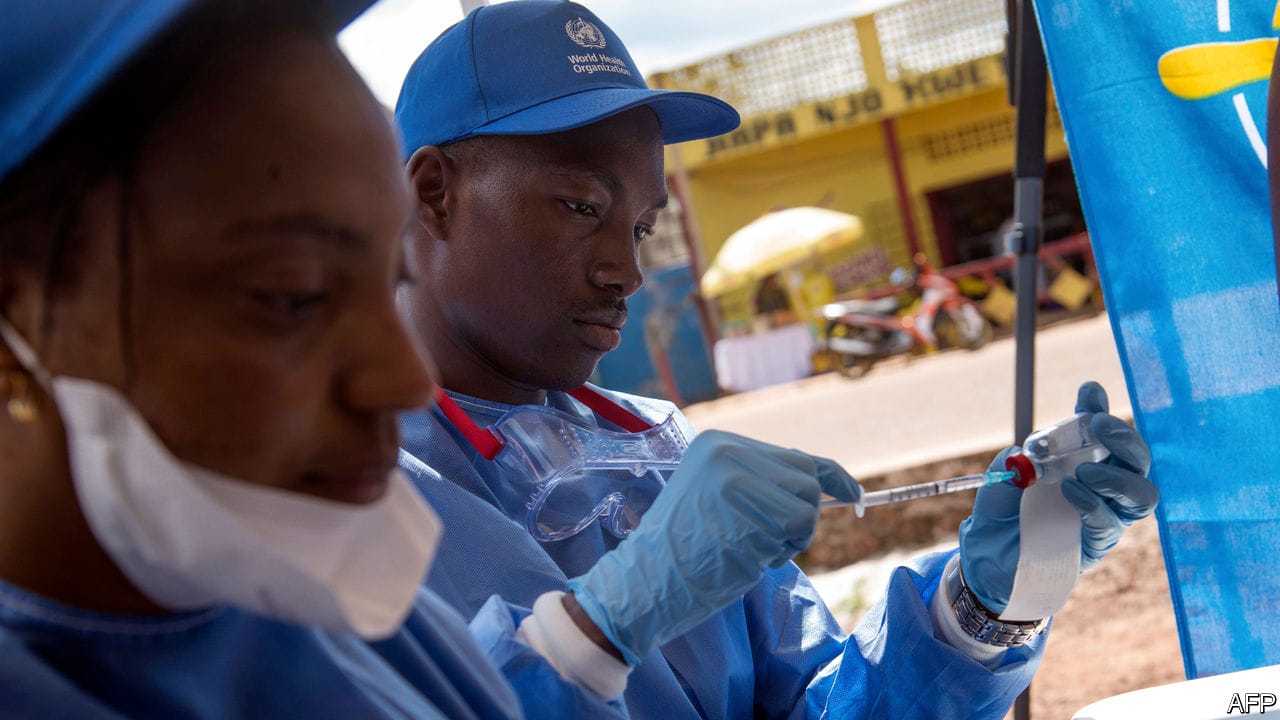
IN MARCH 2014 the brave doctors of Médecins Sans Frontières (MSF) sounded an alarm. They were struggling to contain an outbreak of Ebola in Guinea, a poor and violent west African state. The Ebola virus causes a terrifying disease: a fever sometimes followed by massive internal and external bleeding. It is contagious, via body fluids, and frequently fatal. Yet no one paid much attention to MSF’s warning, and by June the epidemic had spread to 60 places in three countries. It was not until August that year that the World Health Organisation (WHO) declared an international health emergency. The delay allowed Ebola to rage out of control, killing 11,000 people in six countries and leaving 17,000 children without one or both of their parents. Only after the epidemic had peaked did the world pay heed. Some governments panicked, imposing flight bans on all travellers from affected countries. This prompted many to go by road, where they were harder to track.Global public-health authorities vowed to learn from this catastrophic foul-up. A fresh outbreak of Ebola, this time in the Democratic Republic of Congo, will reveal whether they have done so (see ). So far, the signs are good. The big mistake last time was to dither—containing an epidemic early is easier and cheaper and saves lives. This time medical staff have been rushed to the scene, the 1m-strong city of Mbandaka on the Congo river. Protective gear and medicines have been promptly deployed. Health workers have swiftly started to trace those who have been in contact with Ebola sufferers. Congo’s neighbours are on alert. Isolation zones and treatment centres have been set up. The WHO has released cash from a contingency fund. Canada, Germany, the EU, America and Britain have pledged more. For the next three months the WHO says it needs $26m. That is a bargain: last time it cost $3.6bn to contain the epidemic and it knocked $2.2bn off the GDP of the worst-affected countries.


