
- by
- 05 23, 2024
-

-
-
Loading
Loading
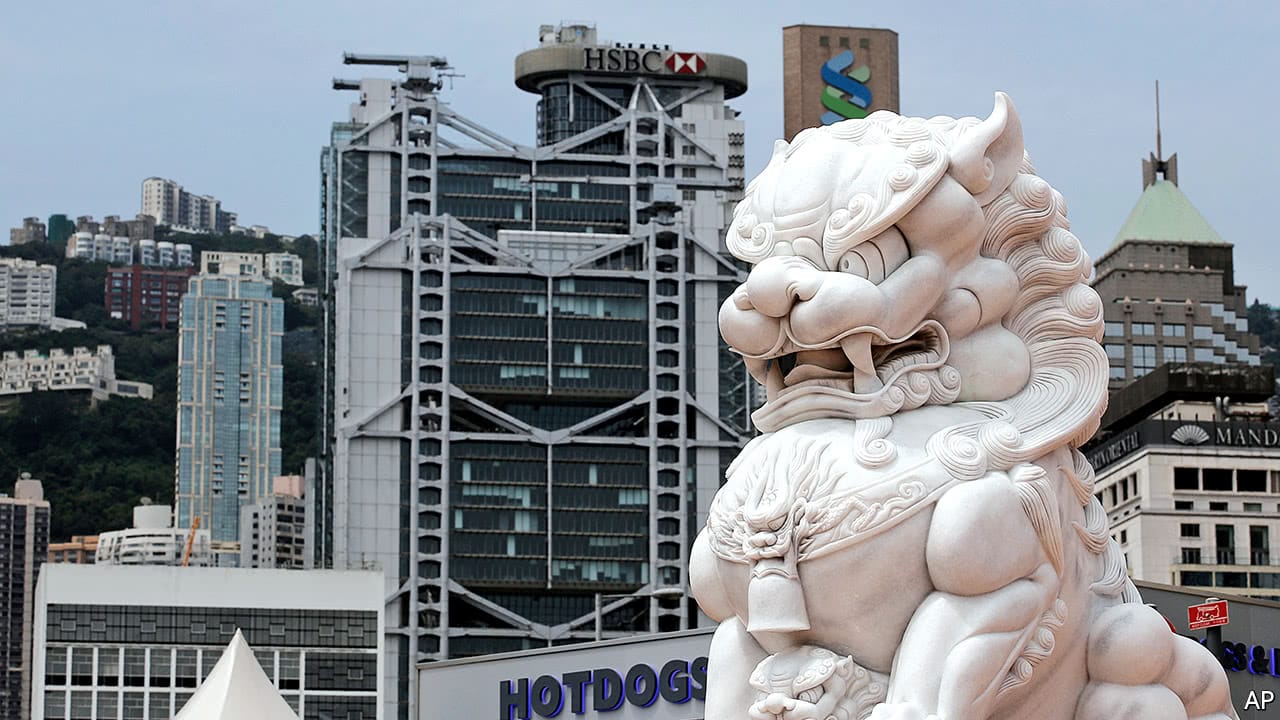
WHEN Britain handed Hong Kong back to China 20 years ago, many politicians in the West suspended disbelief. Here was a prosperous society, deeply imbued with liberal values, being taken over by a country that, less than a decade earlier, had used tanks and machineguns to crush peaceful protests by citizens calling for democratic reform. If they were worried, the British officials who attended the handover ceremony tried not to show it. China, after all, had promised that Hong Kong’s way of life would remain unchanged for at least 50 years under a remarkable arrangement that it called “one country, two systems”. Even the last British governor of Hong Kong, Chris Patten—an outspoken critic of China’s Communist Party—called that rain-soaked day “a cause for celebration”.This week China’s president, Xi Jinping, is to join the festivities marking the anniversary on July 1st of the start of Chinese rule—his first trip to the territory since he took power in 2012. He will also attend the swearing-in of a new leader there, Carrie Lam. But many people in Hong Kong will be less than delighted by his presence. Mr Xi is no friend of its freedoms. On his watch, Chinese officials have become far more insistent on the “one country” part of the formula: it is the party, not Hong Kong’s people, that has the final say. In deference to Mr Xi, streets are being cleared of protest slogans; demonstrators will be kept at a distance. At the time of the handover, this newspaper expressed the hope that Hong Kong would help “change China” politically. The opposite is happening.


