
- by
- 05 23, 2024
-

-
-
Loading
Loading
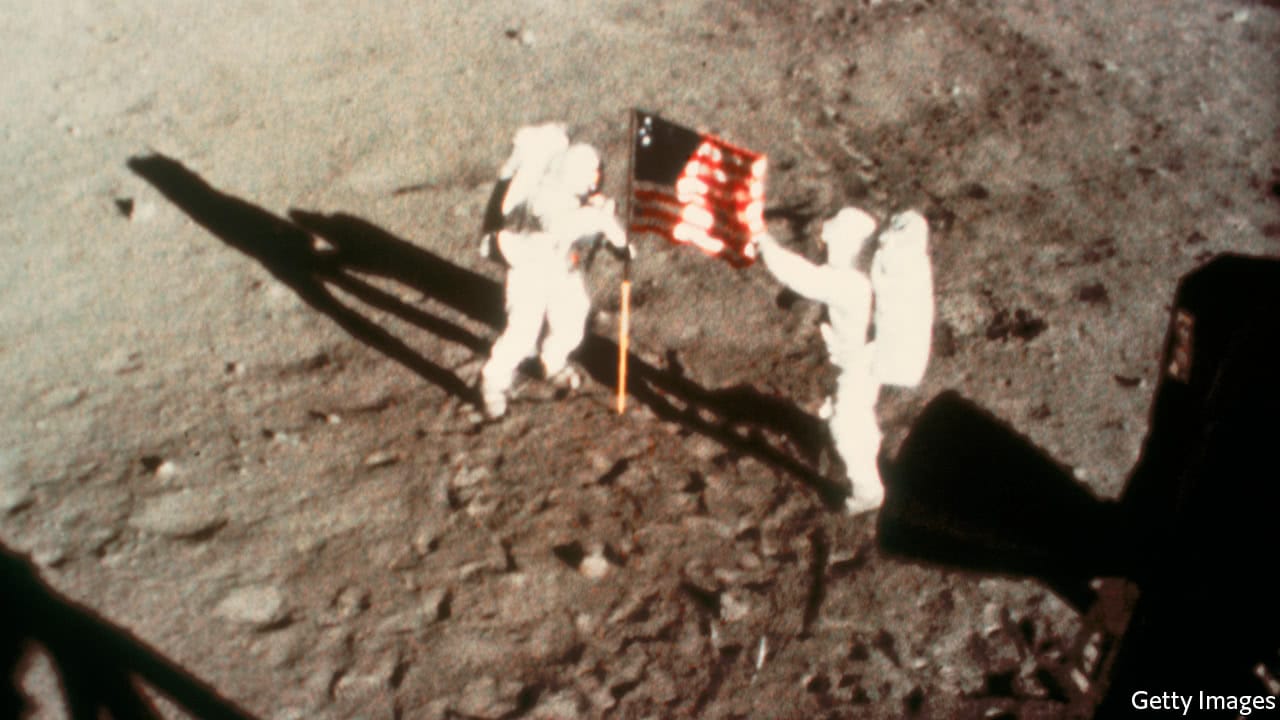
IT IS everywhere, as visible as it is vilified. From car parts to crisp packets, plastic has suffused the Earth, and beyond—in 1969 Neil Armstrong planted a nylon Stars and Stripes on the moon. More than 8bn tonnes has been produced since the 1950s, enough to wrap the continents in clingfilm four times over. Only 9% was recycled; 60% was dumped, mostly in landfills, too often in the natural world. Untold tonnes end up as irretrievable ocean flotsam, which sunlight and salt fragment into microscopic pieces that attract toxins and may be gulped by creatures that become seafood.Plastic weighs heavily on the mind, too. Nine in ten Europeans worry about its impact on ecosystems; three in four fret that it can harm their own health. In Britain hatred of plastic unites the right-wing the leftie , and the queen, who has banned plastic straws from her castles. But hold on. The little scientists know about plastic suggests that although it is the most noticeable pollutant, it is far from the most harmful. Using less is at best a partial solution. A better answer is to collect more—especially in Asia.


