
- by
- 05 23, 2024
-

-
-
Loading
Loading
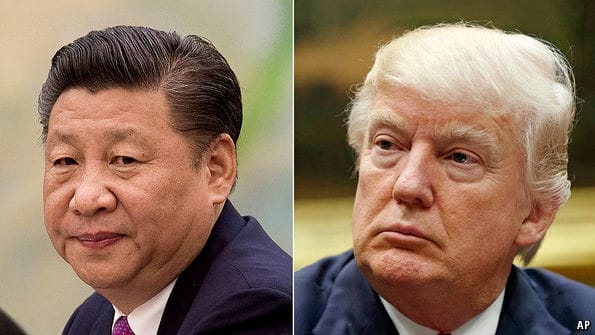
IT USED to be much easier to spot the difference between the presidents of America and China. One would argue for free markets and economic liberalism, the other for centralised control. One would endorse democracy and the rule of law, the other freedom from outside interference. As Donald Trump geared up to meet Xi Jinping for the first time this week, in a summit in Florida that was due to start after went to press, those differences have narrowed (and in some areas, such as climate change, the positions have flipped).This is partly a matter of style. Both Mr Trump and Mr Xi adhere to a personalised, “strongman” view of leadership. The American president is literally a brand; the Chinese are being encouraged to pledge personal fealty to Mr Xi (see ). But it is also a question of substance. Both men claim to be supporters of free trade but subscribe to a doctrine of economic nationalism. Chinese regulators use tariffs, antitrust laws and state media to target foreign firms; officials shovel subsidies at national champions; uncompetitive state-owned enterprises refuse to die. For his part, Mr Trump vows to get tough on Chinese imports and threatens blanket tariffs. He sees the world as a series of zero-sum games, in which countries with trade deficits lose and those with surpluses win (see ).


