
- by
- 05 23, 2024
-

-
-
Loading
Loading
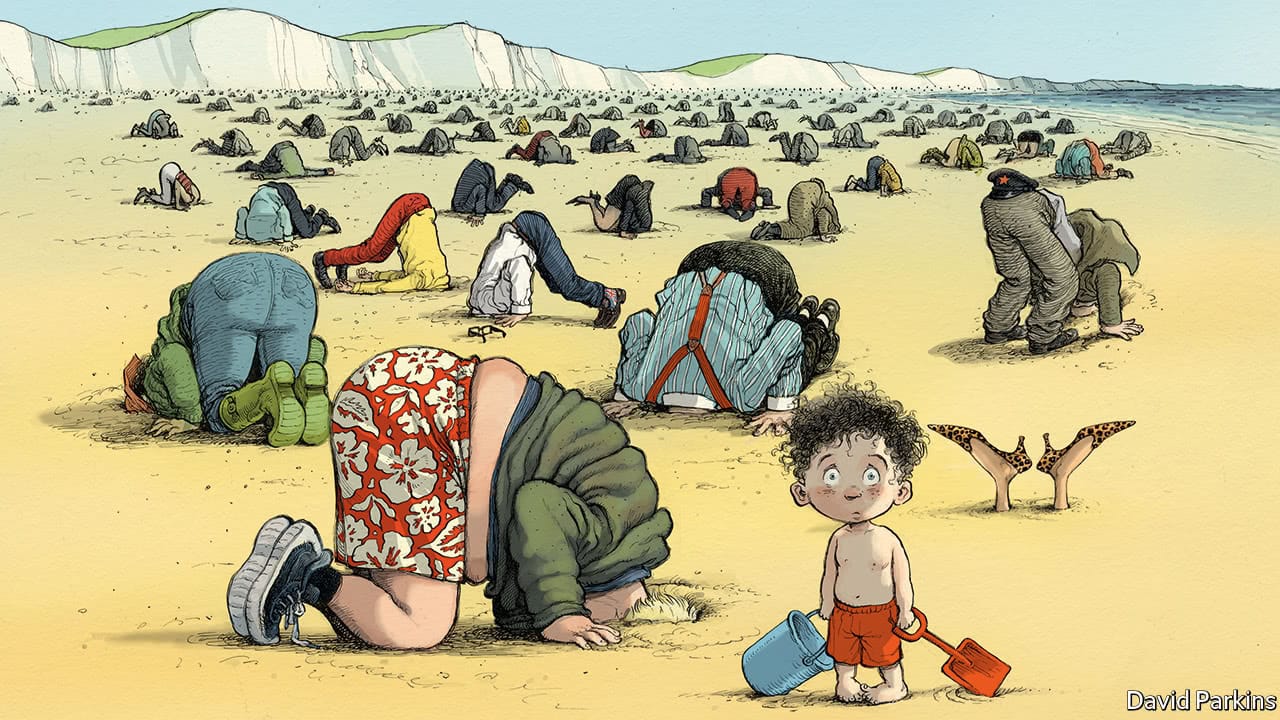
CRISIS? What crisis? So many have been triggered in Britain by the vote a year ago to leave the European Union that it is hard to keep track. Just last month Theresa May was reduced from unassailable iron lady to just-about-managing minority prime minister. Her cabinet is engaged in open warfare as rivals position themselves to replace her. The Labour Party, which has been taken over by a hard-left admirer of Hugo Chávez, is ahead in the polls. Meanwhile a neurotic pro-Brexit press shrieks that anyone who voices doubts about the country’s direction is an unpatriotic traitor. Britain is having a very public nervous breakdown.The chaos at the heart of government hardly bodes well for the exit negotiations with the EU, which turned to detailed matters this week and need to conclude in autumn 2018. But the day-to-day disorder masks a bigger problem. Despite the frantic political activity in Westminster—the briefing, back-stabbing and plotting—the country has made remarkably little progress since the referendum in deciding what form Brexit should take. All versions, however “hard” or “soft”, have drawbacks (see ). Yet Britain’s leaders have scarcely acknowledged that exit will involve compromises, let alone how damaging they are likely to be. The longer they fail to face up to Brexit’s painful trade-offs, the more brutal will be the eventual reckoning with reality.


