
- by
- 05 23, 2024
-

-
-
Loading
Loading
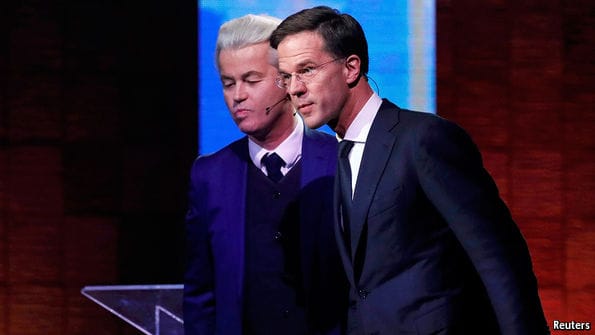
IN THE run-up to its election on March 15th the international media descended on the Netherlands, speculating that the country might become the third “domino” to fall to nationalist populism, following the vote for Brexit and the election of Donald Trump in America. The Dutch themselves, excited by the unaccustomed attention, seem to have taken the idea to heart. The performance of Geert Wilders and his far-right Freedom Party (PVV), it was said, would be a portent of Marine Le Pen’s chances in France’s presidential election and of the prospects for populism right across Europe.On the night, Mr Wilders came a poor second, winning just 13% of the vote and 20 seats—far behind the Liberals, led by the prime minister, Mark Rutte, who won 21% of the vote and 33 seats (see ). Understandably, Mr Rutte was jubilant, proclaiming that his country had “said ‘whoa’ to the bad sort of populism”. Jesse Klaver of the GreenLeft party, which had its best result ever, eclipsing Labour (see ), with 9% of the vote, said that the Dutch message to the rest of Europe was that “populism did not break through.”


